


- Home/
- Buy Rybelsus Without Prescription in the United States Online
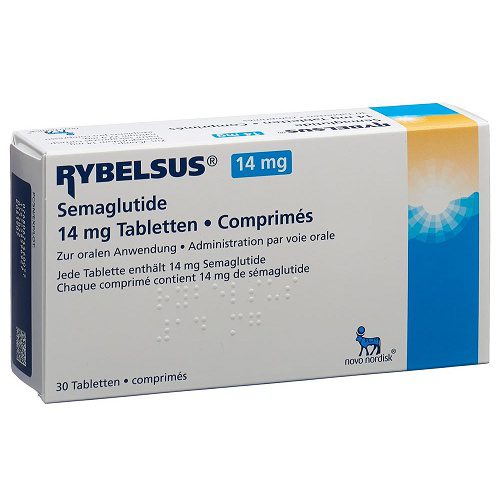
Can you obtain Rybelsus (semaglutide) without a prescription in the United States?
No, Rybelsus is a prescription-only medication in the United States. It must be prescribed by a licensed healthcare provider. Over-the-counter sales of Rybelsus are not permitted under U.S. law.
Key Takeaways: What You Need to Know About Rybelsus in the U.S.
- Rybelsus is intended for adults with type 2 diabetes who need additional blood sugar control despite diet and exercise.
- It requires a prescription from a licensed healthcare provider in the United States.
- Most patients start to see improvements in blood glucose within 1-2 months of consistent use.
- The most important safety consideration is the risk of serious gastrointestinal side effects and, rarely, pancreatitis.
- Insurance coverage varies; Medicare Part D and many commercial plans may help offset the cost.
- Consult your doctor promptly if you experience severe abdominal pain, persistent vomiting, or symptoms of low blood sugar.
How does Rybelsus work to lower blood sugar?
Rybelsus contains semaglutide, which belongs to the class of drugs known as GLP-1 receptor agonists (glucagon-like peptide-1). It mimics the action of natural GLP-1—a hormone produced in the gut after eating. The key mechanisms include:
- Stimulates insulin release: Increases insulin secretion from the pancreas, but only when blood sugar is elevated.
- Suppresses glucagon: Reduces release of glucagon (a hormone that increases blood sugar) after meals.
- Slows gastric emptying: Delays how quickly food leaves the stomach, leading to a slower rise in blood sugar post-meal.
- Reduces appetite: May help with weight loss through appetite suppression.
Metaphor: Imagine Rybelsus as a “coach” that helps your pancreas and gut hormones coordinate better, so your body responds more naturally to food and keeps blood sugar in check.
Effectiveness: According to a 2024 phase 3 randomized controlled trial, Rybelsus (semaglutide) 14 mg daily reduced HbA1c by an average of 1.3% over 26 weeks in adults with type 2 diabetes inadequately controlled on metformin alone (PubMed).
Myth vs Reality:
Myth: Rybelsus works instantly after the first dose.
Reality: It requires daily dosing and several weeks of use for noticeable results. Patients should not expect immediate reductions in blood sugar.
Why Patients May Overestimate or Misjudge Rybelsus Results: Clinical Insights
As a physician, I’ve observed that many patients expect rapid improvements—sometimes overnight—when starting Rybelsus. What is often overlooked is that GLP-1 therapy works gradually, requiring consistent daily use and lifestyle adherence for optimal effect. Patients may become discouraged if they do not see immediate changes in energy or glucose meter readings. Another common confusion is interpreting minor gastrointestinal symptoms as signs of intolerance, leading to premature discontinuation. I also find that patients seldom ask about how to monitor for rare but serious complications like pancreatitis or thyroid issues—they may focus solely on blood sugar. It’s important to set realistic expectations: Rybelsus is effective, but results are incremental. Patients should prioritize ongoing communication with their healthcare team to distinguish typical adjustment symptoms from true red flags.
How should Rybelsus be taken for best results?
- Initial dose: The typical starting dose is 3 mg once daily by mouth for 30 days.
- After 30 days: The dose is usually increased to 7 mg once daily.
- If further lowering needed: May be increased to 14 mg once daily after at least 30 more days at 7 mg.
- Maximum dose: 14 mg per day; do not exceed this.
- How to take: Swallow tablet whole with a small amount of water (no more than 4 ounces). Take on an empty stomach upon waking, at least 30 minutes before first food, drink, or other oral medications.
- Do NOT split, chew, or crush the tablet—this affects absorption and effectiveness.
- Missed dose: If you miss a dose, skip it and resume your next scheduled dose the next day. Do not double up.
Elderly patients: No dosage adjustment needed solely due to age.
Kidney or liver impairment: Use with caution; no adjustment required for mild-to-moderate impairment, but patients with severe impairment should be assessed individually (FDA).
When is the peak effect?
Peak plasma concentrations typically occur about 1 hour after dosing, but therapeutic effect on glucose is gradual and cumulative over several weeks.
Rybelsus and food, alcohol, and other lifestyle factors
- Food: Taking Rybelsus with food or drinks (other than up to 4 oz water) can drastically lower absorption and reduce effectiveness.
- Fatty meals: No specific interaction, but ALL meals must be delayed at least 30 minutes after dosing for optimal absorption.
- Grapefruit juice: Not known to interact with Rybelsus specifically, but always check with your doctor regarding dietary supplements or juices.
- Alcohol: Moderate alcohol consumption is not strictly prohibited, but both alcohol and Rybelsus can lower blood sugar, increasing risk of hypoglycemia. Patients should avoid heavy drinking (more than 2 drinks per day for men, 1 for women) and monitor for symptoms of low blood sugar.
- Other medications: Always check with your healthcare provider for drug-drug interaction potential, especially with insulin or sulfonylureas.
| Product Type | Can it be combined? | Consequences |
|---|---|---|
| Metformin | Yes | Often used in combination; monitor for GI side effects |
| Insulin | Yes, with caution | Increased hypoglycemia risk; careful dose adjustment needed |
| Sulfonylureas | Yes, with caution | Higher hypoglycemia risk; may need dose reduction |
| Alcohol | Limited use | May potentiate low blood sugar |
| Grapefruit juice | Likely yes | No established interaction; still monitor |
| NSAIDs (e.g., ibuprofen) | Yes | No major interaction |
Who should not take Rybelsus? Absolute and relative contraindications
- Absolute contraindications:
-
- Personal or family history of medullary thyroid carcinoma (MTC): Rybelsus is contraindicated due to risk of thyroid C-cell tumors.
- Multiple Endocrine Neoplasia syndrome type 2 (MEN 2)
- Known hypersensitivity to semaglutide or any component of Rybelsus
- Pediatric use (under 18 years): Not approved for children.
- Pregnancy and breastfeeding: Not recommended; safety not established.
- Relative contraindications (use with caution):
-
- History of pancreatitis: Increased risk of recurrence.
- Severe gastrointestinal disease (gastroparesis, severe reflux): May worsen symptoms.
- Kidney or liver impairment: Monitor closely for dehydration or worsening function.
- Diabetic retinopathy: Rapid glucose lowering may worsen eye disease.
- Concomitant use of insulin or sulfonylureas: Higher risk of hypoglycemia; may need dose adjustment.
Why these restrictions? Semaglutide’s effect on thyroid C-cells in rodents has raised concern for human thyroid cancer risk. In patients with a history of pancreatitis, GLP-1 agonists can trigger or worsen inflammation. Slower stomach emptying can worsen gastroparesis or reflux.
What side effects are most common with Rybelsus?
Rybelsus side effects are classified following the World Health Organization frequency guidelines:
- Very common (>1 in 10): Nausea, diarrhea
- Common (1 in 100 to 1 in 10): Vomiting, abdominal pain, constipation, loss of appetite, indigestion, fatigue
- Uncommon (1 in 1000 to 1 in 100): Pancreatitis, allergic reactions, hypoglycemia (especially with insulin or sulfonylureas), dehydration
- Rare (<1 in 1000): Serious hypersensitivity, acute kidney injury (from dehydration), diabetic retinopathy complications, possible thyroid C-cell tumors (uncertain incidence in humans)
Mechanism: Most gastrointestinal side effects (nausea, diarrhea, vomiting) result from slowed stomach emptying and direct gut hormone stimulation. Hypoglycemia risk increases when used with other medications that lower blood sugar.
- What to do if side effects occur? For mild effects (nausea, mild diarrhea), continue therapy and contact your doctor if symptoms persist. For severe abdominal pain, persistent vomiting, signs of dehydration, or vision changes: stop the medication and seek immediate medical attention.
Frequent mistakes patients make with Rybelsus—and how to avoid them
- Taking Rybelsus with breakfast or beverages other than water: Even a small deviation from the “empty stomach, water only” rule can severely reduce absorption and make the medication ineffective. Solution: Set a reminder to take your tablet immediately upon waking, with no food, coffee, or juice for at least 30 minutes after.
- Crushing or splitting the tablet: Some patients attempt to split the dose for cost savings or ease of swallowing, but this disrupts delivery and reduces efficacy. Solution: Always swallow the tablet whole.
- Stopping the medication at the first sign of nausea: GI side effects are common but often transient. Stopping too soon prevents the body from adapting. Solution: Discuss side effects with your physician—they may improve over 1-2 weeks.
- Doubling up after a missed dose: Taking extra doses to “catch up” can increase side effect risk without added benefit. Solution: If you miss a dose, skip it and restart your regular schedule the next day.
- Ignoring symptoms of hypoglycemia: Especially when used with insulin or sulfonylureas. Solution: Monitor blood sugar and seek help if you feel dizzy, weak, or confused.
- Failing to store tablets properly: Exposure to excessive moisture, heat, or light can degrade the medication. Solution: Keep in original packaging, in a cool, dry place.
- Assuming Rybelsus alone is sufficient for diabetes control: Overlooking the importance of diet, exercise, and regular monitoring. Solution: Use Rybelsus as part of a comprehensive diabetes management plan.
How does Rybelsus compare to other type 2 diabetes medications?
Rybelsus is often compared to other GLP-1 receptor agonists and oral diabetes agents. Here’s how it stacks up:
| Medication | Main Ingredient | Formulation | Typical Dose | Onset Speed | Duration | Common Side Effects | Price per month (USD) |
|---|---|---|---|---|---|---|---|
| Rybelsus | Semaglutide | Oral tablet | 3-14 mg daily | Gradual (weeks) | 24 hours (taken daily) | GI upset, nausea | $800–$950 |
| Ozempic | Semaglutide | Weekly injection | 0.25–2 mg/week | Gradual (weeks) | 1 week (weekly dosing) | GI upset, injection reactions | $900–$1050 |
| Jardiance | Empagliflozin | Oral tablet | 10–25 mg daily | Within days | 24 hours (taken daily) | UTI, dehydration | $550–$650 |
- Rybelsus is the only oral GLP-1 agonist; Ozempic is injectable.
- Both semaglutide products have similar efficacy and side effect profiles, but patient preference for oral vs. injection can drive the decision.
- Jardiance (an SGLT2 inhibitor) is less likely to cause GI side effects but may increase risk of urinary tract infections.
- Cost is significant. Insurance, copay programs, and manufacturer discounts can affect out-of-pocket expenses.
Bottom line: Rybelsus offers the convenience of a once-daily oral tablet, with strong efficacy, but is associated with gastrointestinal side effects and a relatively high cost. Patients and providers should weigh these factors in the context of individual goals.
Questions patients often ask doctor about Rybelsus therapy
- How soon will I notice a difference in my blood sugar after starting Rybelsus?
- Most patients begin to see improvements in fasting and post-meal blood sugar within 4–8 weeks. It’s important to give your body time to adjust and not become discouraged if you don’t see immediate changes. Hemoglobin A1c, which reflects long-term control, will improve more gradually over several months.
- If I experience stomach upset, should I stop the medication?
- Mild nausea or diarrhea is common when starting Rybelsus and usually improves with time. Unless your symptoms are severe or persistent, try to continue, but always let your provider know. Adjustments or supportive care may help you tolerate therapy.
- Is it necessary to continue diet and exercise while on Rybelsus?
- Absolutely. Rybelsus works best as part of a holistic plan that includes healthy eating, regular physical activity, and blood glucose monitoring. The medication does not replace lifestyle interventions.
- Can I take other diabetes medications with Rybelsus?
- Many patients use Rybelsus in combination with metformin or other agents. If you’re on insulin or sulfonylureas, your doctor may reduce those doses to prevent hypoglycemia. Always discuss any medication changes with your healthcare team.
- How will I know if Rybelsus is right for me long-term?
- Your doctor will regularly review your blood sugar trends, A1c, side effects, weight changes, and overall health. If you’re not meeting your goals or have intolerable side effects, your regimen may be adjusted.
- Can Rybelsus help me lose weight?
- Many patients experience modest weight loss with Rybelsus, but this effect varies. It should be viewed as a potential benefit, not a primary reason for use unless specifically indicated for weight management under medical supervision.
- Will stopping Rybelsus abruptly cause withdrawal?
- No classical withdrawal symptoms, but your blood sugar may rise and any weight lost may be regained. Always consult your doctor before stopping any diabetes medication.
Rybelsus: Technical Characteristics at a Glance
| Active ingredient | Semaglutide |
| Available strengths | 3 mg, 7 mg, 14 mg tablets |
| Formulation | Oral tablet |
| Administration | Once daily, on empty stomach, whole tablet with water |
| Time to peak plasma | ~1 hour |
| Half-life (T1/2) | ~1 week (168 hours) |
| Metabolism | Proteolytic cleavage, beta-oxidation (not CYP-mediated) |
| Elimination | Primarily urine and feces |
| Storage | Room temperature, avoid moisture/light |
| Manufacturer | Novo Nordisk |
Compatibility: Rybelsus with Other Medications
| Type of Product | Can it be combined? | Consequences |
|---|---|---|
| Insulin | Yes, with caution | Monitor for hypoglycemia, dose adjustment may be required |
| Metformin | Yes | No significant issues, commonly used together |
| Sulfonylureas | Yes, with caution | Increased risk of hypoglycemia |
| NSAIDs | Yes | No direct interaction |
| ACE inhibitors | Yes | No significant interaction |
| Antacids | Yes | No clinically relevant interaction |
| Grapefruit juice | Likely yes | No established interaction, but caution is advised |
Understanding Rybelsus metabolism (pharmacokinetics) in simple terms
After you swallow a Rybelsus tablet, semaglutide is absorbed in the stomach and upper small intestine, but absorption is relatively low (~1%). Once in the bloodstream, it binds to plasma proteins and is distributed throughout the body. The liver and kidneys break it down through proteolysis (protein splitting) and beta-oxidation, not through CYP enzymes (so fewer drug-drug interactions). Most of the drug and its byproducts are eliminated via urine and feces.
- Half-life: Approx. 1 week—this supports once-daily dosing and provides stable effects.
- Why is this important? The long half-life means you need to take it regularly for steady control but also that effects persist for several days after stopping.
Special considerations: elderly, kidney, liver, driving, and family planning
- Elderly: No special dose adjustment; monitor for side effects as with any adult.
- Kidney impairment: Mild-to-moderate impairment doesn’t require dose change. Severe cases: caution, monitor hydration and renal function.
- Liver impairment: Mild-to-moderate: no dose adjustment. Severe: use with caution.
- Driving/machinery: Hypoglycemia is rare unless combined with insulin or sulfonylureas. If you experience dizziness or confusion, avoid driving until effects resolve.
- Pregnancy and breastfeeding: Not recommended; safety in these populations is not established. Use effective contraception if of childbearing potential and discuss alternatives with your doctor.
- Fertility: No known effect on fertility, but animal data are limited.
How to get Rybelsus in the United States: Step-by-step guide
- Schedule a medical consultation—either in person or via telehealth—with a licensed provider (family physician, endocrinologist, or diabetologist).
- Undergo a diabetes assessment (A1c, fasting glucose, review of current therapy and complications).
- Discuss your options: Your provider will review if Rybelsus is appropriate based on your health, medications, and insurance coverage.
- Receive a prescription if Rybelsus is recommended.
- Fill your prescription at a licensed U.S. pharmacy (in person or through a verified online/mail-order pharmacy with proper accreditation).
- Follow up with your provider periodically to monitor response, side effects, and need for dose adjustments.
- Refills: Ongoing supply requires periodic reassessment and prescription renewal.
How to safely use online pharmacies for Rybelsus in the U.S.
- Only use pharmacies accredited by the National Association of Boards of Pharmacy (NABP)—look for the “.pharmacy” domain or “VIPPS” certification.
- Legitimate pharmacies will always require a valid prescription from a U.S. provider.
- Be suspicious of “no prescription needed” offers—these are illegal and often supply counterfeit or unsafe products.
- Check for a U.S. address and phone number, and verify licensure with your state Board of Pharmacy.
- Beware of drastic discounts, lack of contact information, or websites not requiring medical information.
- The FDA’s BeSafeRx program (FDA BeSafeRx) provides guidance on identifying safe online pharmacies.
How to spot counterfeit Rybelsus and understand generics
- Packaging: Authentic Rybelsus comes in a sealed blister pack with clear labeling, batch/lot number, and expiration date. The manufacturer (Novo Nordisk) is clearly listed. U.S. packaging includes an NDC (National Drug Code) number.
- Tablet appearance: Rybelsus tablets are oval, marked with “3”, “7”, or “14” according to strength, and have a distinct color (white, rose, or beige depending on strength).
- Hologram or security barcode: Some U.S. packaging may include a scannable security feature or QR code.
- Price too good to be true: Offers far below pharmacy prices often indicate counterfeits or products not intended for the U.S. market.
- Generics: As of 2026, generic semaglutide tablets have begun to enter the market in some regions due to patent expiration. Generics must meet FDA standards for quality, bioequivalence, and safety. Excipient (inactive ingredient) differences can occasionally affect tolerability in sensitive individuals—always check the ingredient list if you have known allergies.
- Original vs generics: Generics are as effective as branded Rybelsus if FDA approved, but always purchase from a licensed pharmacy to ensure authenticity.
Quality check:
- Check tablet color, shape, and markings
- Inspect outer packaging for tampering, spelling errors, and correct manufacturer details
- Verify batch number and expiration date
- Contact Novo Nordisk or your pharmacy if in doubt
Coping with diabetes: Psychological support and practical advice
Living with type 2 diabetes is challenging for many people in the United States, but you are not alone. Psychological stress and feelings of frustration are common. If you’re struggling, consider seeking support from a diabetes educator, mental health professional, or peer group. Openly discussing your challenges with family and your care team can make a significant difference in long-term management.
What to do in case of Rybelsus overdose
- Stop taking Rybelsus immediately.
- Call U.S. emergency services (911) or a Poison Control Center (1-800-222-1222) without delay.
- Provide information on the amount taken, timing, and symptoms.
- Do not induce vomiting unless instructed by a medical professional.
- Bring the medication packaging or prescription details to the emergency department.
- Possible symptoms: Severe nausea, vomiting, dehydration, hypoglycemia (especially with insulin/sulfonylureas), or abdominal pain.
- Clinical care: Supportive treatment; severe cases may require IV fluids, glucose, or hospital observation.
Clinical assessment by doctor: When is Rybelsus the best option?
In my clinical practice, Rybelsus is typically most beneficial for adults with type 2 diabetes who have not achieved adequate blood glucose control with metformin and lifestyle changes, and who are either hesitant about injectable therapy or prefer the convenience of an oral tablet. Patients who benefit most are those motivated to adhere to daily medication timing and who understand the importance of taking it on an empty stomach. Caution is warranted in individuals with a history of pancreatitis, gastroparesis, or major gastrointestinal disorders. Patients with a personal or family history of medullary thyroid carcinoma or MEN 2 should seek alternative therapies due to the theoretical increased risk of thyroid tumors. In those with advanced kidney or liver disease, I carefully assess risk versus benefit and monitor closely. Ultimately, I tailor the choice of Rybelsus versus other GLP-1 agonists or diabetes medications based on individual needs, tolerability, comorbidities, patient preference, and insurance coverage. Where weight loss is a significant secondary goal, Rybelsus may provide added value, but the risks, cost, and gradual nature of improvement should always be discussed up front.
FAQ about Rybelsus in the U.S.
- Is Rybelsus available without a prescription in the United States?
- No. Rybelsus is a prescription-only medication. You must have a valid prescription from a licensed healthcare provider to obtain it legally.
- How effective is Rybelsus for lowering blood sugar?
- In clinical trials, Rybelsus (semaglutide) lowered HbA1c by about 1–1.3% over 6 months, with many patients reaching target blood glucose levels when combined with lifestyle changes.
- What is the average cost of Rybelsus per month?
- Prices typically range from $800 to $950 per month for a 30-day supply in the U.S. Insurance, copay programs, or Medicare Part D may reduce this cost.
- How quickly does Rybelsus start to work?
- Blood sugar improvements usually begin within a few weeks, but the full effect on A1c may take up to 12–16 weeks of consistent use.
- What are the most common side effects?
- Nausea and diarrhea are most common, especially during early treatment. Vomiting, constipation, and decreased appetite are also possible.
- Can I take Rybelsus with other diabetes medications?
- Yes, under medical supervision. Often combined with metformin. When combined with insulin or sulfonylureas, you may need a dose reduction to avoid hypoglycemia.
- Are there any foods I should avoid while taking Rybelsus?
- No specific foods are completely prohibited, but you must take Rybelsus on an empty stomach and wait at least 30 minutes before eating or drinking anything besides water.
- What do I do if I miss a dose?
- Skip the missed dose and take your next dose at the usual time. Do not double up to make up for a missed dose.
- Is Rybelsus safe to use during pregnancy or breastfeeding?
- No. Rybelsus is not recommended during pregnancy or breastfeeding. Discuss family planning and alternatives with your doctor.
- Are generic versions of Rybelsus available?
- As of 2026, some generic semaglutide tablets have become available in certain markets, but always confirm FDA approval and purchase from a licensed pharmacy.
References
- U.S. Food and Drug Administration (FDA) – https://www.fda.gov/
- Mayo Clinic – Diabetes Drug Therapy – https://www.mayoclinic.org/
- American Diabetes Association – Standards of Care in Diabetes 2026 – https://diabetes.org/
- PubMed: Aroda, V. R. et al. (2024). “Efficacy of oral semaglutide in type 2 diabetes: A phase 3 trial.” https://pubmed.ncbi.nlm.nih.gov/
- Novo Nordisk (Manufacturer) – Rybelsus Prescribing Information – https://www.novonordisk-us.com/
- FDA BeSafeRx – Safe Online Pharmacy Verification – https://www.fda.gov/drugs/besafe-rx-your-source-safe-online-pharmacies
- ClinicalTrials.gov – Semaglutide studies – https://clinicaltrials.gov/