


- Home/
- Buy Priligy at Low Price in United States
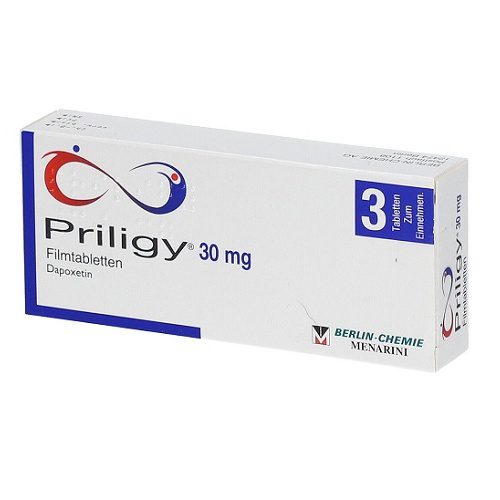
Can Priligy (Dapoxetine) Be Obtained Without a Prescription in the United States?
No, Priligy (dapoxetine) cannot be obtained without a prescription in the United States. It is not currently approved by the U.S. Food and Drug Administration (FDA) for any indication, including premature ejaculation. Any dapoxetine-containing product offered without prescription, or outside regulated channels, should be regarded as potentially unsafe and possibly counterfeit.
Key Takeaways
- Priligy (dapoxetine) is not FDA-approved for use in the United States and is not available through standard U.S. pharmacies.
- Dapoxetine is used internationally to treat premature ejaculation, but U.S. patients must discuss alternative therapies with a qualified urologist or sexual medicine specialist.
- Obtaining dapoxetine from unregulated online sources poses significant risks, including counterfeit products and lack of medical oversight.
- Alternative treatments for premature ejaculation are available in the United States; many are evidence-based and FDA-approved.
- Before seeking any medication for sexual health concerns, a full evaluation by a qualified physician is strongly recommended.
- If you are considering dapoxetine or similar drugs, consult a specialist—self-treatment may cause harm.
Table of Contents
- What Is Priligy (Dapoxetine) and How Is It Used?
- How Does Priligy Work? Pharmacology and Scientific Rationale
- Patient Expectations Versus Clinical Reality: What Patients Should Know About Priligy
- How Is Priligy Taken? Dosage Instructions and Timing
- Interaction With Food, Alcohol, and Lifestyle Factors
- Who Should Not Use Priligy? Absolute and Relative Contraindications
- What Side Effects Are Most Common With Priligy?
- Frequent Patient Mistakes When Considering or Using Priligy
- Alternatives to Priligy: How Does It Compare?
- Technical Overview: Priligy (Dapoxetine) Key Parameters
- Compatibility of Priligy With Other Drugs and Products
- Step-by-Step: Navigating Premature Ejaculation Treatment in the United States
- How to Identify Legitimate and Safe Online Pharmacies in the U.S.
- How to Recognize Genuine Versus Counterfeit Priligy and Generics
- How Is Priligy Metabolized? Pharmacokinetics Explained Simply
- Special Considerations: Chronic Illness, Mental Health, and Driving
- What To Do in Case of Overdose: Emergency Instructions
- Psychological Support: Addressing Premature Ejaculation Beyond Medication
- doctor’s Practical Clinical Assessment: Who Benefits and Who Should Seek Alternatives?
- Questions Patients Often Ask doctor
- FAQ: Frequently Asked Questions About Priligy and Premature Ejaculation Treatment
- References
What Is Priligy (Dapoxetine) and How Is It Used?
Priligy contains the active ingredient dapoxetine, a selective serotonin reuptake inhibitor (SSRI) developed specifically for the treatment of premature ejaculation (PE) in men aged 18-64 years. While dapoxetine is approved and marketed for this use in over 60 countries (including many European and Asian nations), it remains unapproved by the FDA in the United States. No licensed U.S. pharmacy stocks Priligy or its generics.
Internationally, dapoxetine is prescribed as an on-demand treatment—taken one to three hours before planned sexual activity. It is not taken daily. Its rapid onset and short duration distinguish it from traditional antidepressants.
Myth vs Reality:
Myth: Dapoxetine is a daily “cure” for premature ejaculation.
Reality: Priligy is designed for on-demand use and only addresses the symptoms during the window of activity; it does not cure the underlying condition.
How Does Priligy Work? Pharmacology and Scientific Rationale
Dapoxetine is a short-acting selective serotonin reuptake inhibitor (SSRI). It acts primarily on the central nervous system by inhibiting the reuptake of serotonin at the synaptic cleft. This increases serotonin levels, which in turn delays ejaculation by modulating the ejaculatory reflex in the spinal cord and brainstem.
- Dapoxetine preferentially binds to the serotonin transporter, preventing reabsorption of serotonin into presynaptic neurons.
- This action enhances serotonin activity, which plays a key role in inhibiting ejaculatory reflexes.
- The drug is designed to be absorbed and eliminated rapidly, producing effects within 1–3 hours and clearing from the body within 24 hours for most men.
Simplified Metaphor: If the ejaculation reflex is like an accelerator pedal, dapoxetine increases the resistance, making it harder to “floor it” too quickly.
Notably, dapoxetine’s unique pharmacokinetic profile means it acts quickly and leaves the body much faster than antidepressants like paroxetine or fluoxetine, minimizing the risk of chronic side effects.
According to a meta-analysis published in 2024 (PubMed), dapoxetine increased average intravaginal ejaculatory latency time (IELT) by 2.5–3 times compared to placebo, with the greatest benefit often seen in men with lifelong PE.
Why Patients’ Hopes for a “Magic Bullet” Often Lead to Disappointment
In my experience, many men expect Priligy or any medication for premature ejaculation to provide instant, effortless sexual confidence. They often imagine a one-pill solution that erases all anxiety and delivers perfect control. In reality, the perception of effectiveness varies widely—and is influenced as much by psychological factors, relationship dynamics, and performance pressure as by the medication itself. Some patients judge success solely by the clock, while others focus on subjective satisfaction, leading to misaligned expectations. Few patients ask about integrating behavioral therapy or communication with their partner, both of which can significantly improve outcomes. The biggest challenge I see is that men rarely consider what “success” realistically means for them—delaying ejaculation by a couple of minutes may or may not translate to better intimacy or self-esteem. These are crucial conversations that should happen before starting treatment.
How Is Priligy Taken? Dosage Instructions and Timing
International protocols recommend starting Priligy at 30 mg taken 1–3 hours before planned sexual activity. If the effect is insufficient and side effects are tolerable, the dose may be increased to 60 mg, but never exceed 60 mg in a 24-hour period.
- Priligy is not intended for continuous daily use.
- The tablet should be swallowed whole with a full glass of water to reduce the risk of dizziness or fainting.
- Splitting or crushing the tablet is not recommended, as the coating helps prevent rapid release and potential irritation.
- Peak therapeutic effect is typically reached within 1–2 hours after ingestion, with efficacy lasting up to 4 hours.
- No dose adjustment is recommended for mild kidney or liver impairment, but caution is advised, and use in severe impairment is not recommended.
Repeat dosing within 24 hours is not permitted. Always follow your physician’s instructions regarding dosing intervals and adjustments.
Interaction With Food, Alcohol, and Lifestyle Factors
- Food: Priligy can be taken with or without food. However, high-fat meals may delay absorption by up to an hour and slightly reduce peak concentrations.
- Alcohol: Combining Priligy with alcohol increases the risk of orthostatic hypotension (sudden blood pressure drop), dizziness, and fainting. Strict avoidance is advised; even moderate amounts (1–2 drinks) can be problematic.
- Grapefruit Juice: No direct interaction has been established, but grapefruit is known to inhibit CYP3A4, the enzyme that metabolizes dapoxetine. Avoid grapefruit juice on the day of use to minimize unpredictable effects.
- Caffeine and Stimulants: No significant interaction, but excessive caffeine may worsen jitteriness.
Bottom line: Take Priligy with water, avoid alcohol and grapefruit juice, and be cautious with large meals if rapid onset is needed.
Who Should Not Use Priligy? Absolute and Relative Contraindications
- Absolute Contraindications
-
- Cardiac instability: Priligy is contraindicated in individuals with significant heart rhythm disorders, heart failure, or marked conduction abnormalities, due to the risk of syncope.
- Concomitant monoamine oxidase inhibitors (MAOIs): Risk of serotonin syndrome.
- Concomitant thioridazine use: Risk of severe cardiac arrhythmias.
- Severe hepatic impairment: Metabolism is significantly impaired, increasing toxicity risk.
- Previous hypersensitivity reactions: History of allergy to dapoxetine or any component of the tablet.
- Relative Contraindications (Use Only With Caution)
-
- History of syncope (fainting), especially with urination or emotional distress.
- Co-administration with SSRIs, SNRIs, tricyclic antidepressants, or other serotonergic drugs (risk of serotonin syndrome).
- Mild to moderate renal or hepatic impairment: Dose reduction and careful monitoring may be needed.
- Concomitant strong CYP3A4 inhibitors (e.g., ketoconazole, ritonavir): May increase dapoxetine blood levels.
- History of mania or significant psychiatric illness: Priligy may worsen mood instability.
- Specific Interactions to Avoid Completely
-
- Nitrates and alpha-blockers: Combined use can cause severe hypotension.
- St. John’s Wort: May reduce effectiveness, increase side effects.
Use of Priligy immediately (<12 weeks) after a major heart attack or stroke is not recommended. Consult a cardiologist for further assessment.
What Side Effects Are Most Common With Priligy?
Side effects are categorized according to frequency, following WHO and FDA guidelines.
- Very Common (>1 in 10 patients):
-
- Nausea (up to 22%): Likely due to central serotonin activation affecting the vomiting center.
- Common (1 in 100 to 1 in 10):
-
- Headache
- Dizziness or light-headedness (especially when standing)
- Diarrhea
- Insomnia
- Fatigue
- Anxiety or agitation
- Blurred vision
- Increased sweating
- Rare (1 in 1,000 to 1 in 100):
-
- Confusion
- Tinnitus
- Palpitations
- Transient blood pressure changes
- Very Rare (<1 in 1,000), but Serious:
-
- Serotonin syndrome (especially in combination with other serotonergic drugs): agitation, tremor, fever, muscle rigidity, confusion.
- Severe allergic reactions: swelling, rash, difficulty breathing (anaphylaxis).
- Prolonged or severe syncope (loss of consciousness).
What to Do: If you experience severe dizziness, fainting, chest pain, severe allergic reaction, or signs of serotonin syndrome, seek emergency medical attention immediately. For milder side effects, inform your prescribing doctor for further advice or dose adjustment.
Mistakes to Avoid With Priligy: Lessons From Real-World Experience
- Taking the medication too late (e.g., right before intercourse): Priligy requires 1–3 hours to reach peak effect. Taking it too close to sexual activity may reduce efficacy. Always plan ahead.
- Ignoring food and alcohol warnings: Consuming fatty meals or alcohol can delay absorption or increase side effects, especially dizziness or fainting. Stick to water and a light meal if needed.
- Doubling up after a missed dose: Priligy is not intended for regular daily use or “catching up.” Increased dosing raises risk of side effects without improving efficacy.
- Stopping after the first sign of minimal improvement: Some men expect dramatic changes right away. A modest improvement in latency may be clinically significant and can increase with repeated, guided use and adjunct therapy.
- Mixing with other prescription antidepressants without doctor guidance: Risk of serotonin syndrome is substantial. Never combine with other SSRIs/SNRIs unless specifically authorized by your prescriber.
- Obtaining from unverified online sources: Fake or substandard medications are common; serious health consequences may result.
Alternatives to Priligy: How Does It Compare?
In the United States, Priligy is not approved or available. However, several alternative therapies are commonly prescribed for premature ejaculation. These include off-label use of other SSRIs, topical numbing agents, and behavioral therapy. Below is a comparison based on key clinical criteria:
| Medication | Onset of Action | Duration | Common Side Effects | Cost per Dose (USD, 2026 est.) | Availability in U.S. |
|---|---|---|---|---|---|
| Priligy (Dapoxetine) | 1–3 hours | Up to 4 hours | Nausea, dizziness, headache | $15–$30 | No (not FDA approved) |
| Sertraline (off-label SSRI) | 1–2 weeks (daily use) | Chronic | Sexual dysfunction, drowsiness, GI upset | $0.10–$1 (generic) | Yes (by prescription) |
| Lidocaine/prilocaine spray/cream (topical) | 10–15 minutes | 1–2 hours | Numbness, loss of sensation | $3–$7 | Yes (by prescription or OTC) |
| Paroxetine (off-label SSRI) | 1–2 weeks (daily use) | Chronic | Sexual dysfunction, dry mouth, drowsiness | $0.10–$1 (generic) | Yes (by prescription) |
Bottom line: While dapoxetine offers rapid, on-demand action, FDA-approved alternatives are available and may be more accessible and cost-effective in the United States.
Technical Overview: Priligy (Dapoxetine) Key Parameters
| Parameter | Value |
|---|---|
| Active Ingredient | Dapoxetine hydrochloride |
| Available Strengths | 30 mg, 60 mg tablets (internationally) |
| Indication | On-demand treatment for premature ejaculation (not FDA-approved in U.S.) |
| Dosage Interval | 1–3 hours before intercourse; not more than once per 24 hours |
| Peak Effect | 1–2 hours post-dose |
| Duration of Effect | Up to 4 hours |
| Metabolism | Liver (CYP3A4, CYP2D6) |
| Elimination Half-Life | 1.3–1.5 hours (parent drug); metabolites up to 19 hours |
| Excretion Route | Primarily urine, some feces |
| Prescription Requirement | Yes (not available in U.S.) |
| Storage | Room temperature, away from moisture, in original packaging |
Compatibility of Priligy With Other Drugs and Products
| Type of Product | Can It Be Combined? | Consequences |
|---|---|---|
| Aspirin | Yes | No significant interaction |
| Nitroglycerin | STRICTLY NO | Severe, life-threatening blood pressure drop |
| SSRIs (e.g., sertraline, fluoxetine) | Generally No | Risk of serotonin syndrome |
| CYP3A4 inhibitors (e.g., ketoconazole) | No | Increased dapoxetine toxicity risk |
| Alcohol | No | Increased fainting, dizziness |
| St. John’s Wort | No | Reduced efficacy, increased side effects |
| PDE5 inhibitors (e.g., sildenafil) | With caution | Increased risk of low blood pressure; medical supervision advised |
Always inform your physician about all medications and supplements you are taking before starting any new therapy.
Step-by-Step: Navigating Premature Ejaculation Treatment in the United States
-
Step 1: Make an Appointment With a Qualified Urologist or Sexual Medicine Specialist.
Start with your primary care provider for an initial discussion, but request referral to a specialist if needed. -
Step 2: Undergo Comprehensive Assessment.
Your doctor will obtain a detailed sexual history, screen for underlying conditions, and rule out contributory psychological or physical causes. -
Step 3: Discuss Approved Treatment Options.
In the United States, these may include behavioral therapy, off-label SSRIs (e.g., sertraline, paroxetine), or topical agents. The risks and benefits of each approach will be reviewed. -
Step 4: Obtain a Prescription if Medically Appropriate.
Your physician will provide a prescription for the selected therapy. Off-label use of medications is at the discretion of your provider and based on best available evidence. -
Step 5: Fill the Prescription at a Licensed U.S. Pharmacy.
Bring the prescription to a pharmacy or submit electronically. Telemedicine options may be available in some states for follow-up or initial consultation. -
Step 6: Begin Treatment With Ongoing Monitoring.
Track your response and report any side effects or lack of efficacy. Adjustments to therapy will be made as needed.
How to Identify Legitimate and Safe Online Pharmacies in the U.S.
- Check for National Association of Boards of Pharmacy (NABP) accreditation: Look for the .pharmacy seal or verify through the NABP website.
- Require a prescription from a licensed U.S. physician: Legitimate pharmacies always require a prescription.
- Physical U.S. address and state-licensed pharmacist: The website should list a physical address and phone number.
- Avoid sites offering prescription drugs “without prescription” or shipped from overseas: These are almost always illegal and unsafe.
- FDA’s BeSafeRx Program: Use the BeSafeRx site to verify legitimacy.
- Watch for warning signs: Unusually low prices, lack of identifying information, poor website quality, or offers to ship to states where the drug is not approved.
Risks of unregulated online pharmacies: Counterfeit drugs may contain incorrect ingredients, toxic substances, or incorrect dosages, and you may receive no drug at all.
How to Recognize Genuine Versus Counterfeit Priligy and Generics
- Original Priligy packaging (internationally): Blister packets with holographic seals, legible batch numbers, and manufacturer logos. The font is consistent and sharp, with no grammatical errors. Color of tablets is usually white, round, and engraved.
- Generics: After patent expiry, generic forms may use alternate packaging and branding but must meet the same regulatory standards in their country of origin. Generics should have: approved registration number, clear labeling of manufacturer, and proper leaflet in the local language.
- Counterfeit warning signs: Unusually low prices, missing information, blurred printing, inconsistent pill color or shape, packaging with foreign language only, or lack of batch/lot number.
- What are excipients? These are inactive ingredients used as binders, fillers, or colorants. Some excipients may cause allergies in sensitive individuals—always check the leaflet.
- Verification tips: Look for QR codes or holograms on packaging in countries that use these features. In the U.S., the absence of FDA approval itself is a red flag—no genuine product should be found in U.S. channels.
Remember: A genuine product will always have verifiable manufacturer information, a proper patient leaflet, and a price in line with regulated market averages.
How Is Priligy Metabolized? Pharmacokinetics Explained Simply
Dapoxetine is absorbed through the gastrointestinal tract, reaching peak blood concentrations in about 1–2 hours. It is primarily metabolized by liver enzymes, especially CYP3A4 and CYP2D6. The parent compound has a short half-life (1.3–1.5 hours), but active metabolites can persist for up to 19 hours. Around 80% is excreted in the urine, with the remainder via feces.
- Liver disease: May slow breakdown and lead to higher blood concentrations and risk of side effects.
- Kidney disease: Mild impairment is usually tolerated, but severe impairment increases risk of toxicity.
Summary: The drug acts quickly and leaves the body within a day for most men, reducing the risk of prolonged side effects typical of other SSRIs.
Special Considerations: Chronic Illness, Mental Health, and Driving
- Older adults (>65): Dapoxetine has not been studied adequately in this population; increased risk of dizziness or falls.
- Cardiac risk: Men with underlying heart rhythm disorders or on antiarrhythmic medications should not use dapoxetine.
- Mental health: Men with a current or past psychiatric disorder (bipolar, severe depression) have increased risk of mood destabilization or suicidal ideation.
- Driving and machinery: Dapoxetine may cause dizziness, blurred vision, or syncope. Do not drive or operate hazardous machinery within 6 hours of taking the medication.
- Fertility and family planning: No evidence exists that dapoxetine affects fertility or sperm quality.
What To Do in Case of Overdose: Emergency Instructions
- Stop taking the medication immediately.
- Call 911 or your local emergency number.
- Provide emergency responders with the drug name (dapoxetine), dose, and time taken.
- Do not attempt to induce vomiting unless instructed by medical personnel.
- Stay supine if dizzy or faint—do not operate vehicles.
Signs of overdose include severe nausea, vomiting, tremor, agitation, irregular heartbeat, loss of consciousness, or seizures. Medical attention is urgent.
Psychological Support: Addressing Premature Ejaculation Beyond Medication
Premature ejaculation is a common and treatable concern—affecting men of all ages and backgrounds. The condition often has psychological as well as physical components. Open communication with a partner and consultation with a qualified mental health or sexual medicine professional can greatly improve treatment outcomes. Remember: You are not alone, and evidence-based help is available.
doctor’s Practical Clinical Assessment: Who Benefits and Who Should Seek Alternatives?
In my clinical practice, the ideal candidate for dapoxetine (Priligy) is a man aged 18–64 with a clear diagnosis of lifelong premature ejaculation, who is otherwise healthy, has no significant cardiac history, and desires an on-demand, rather than daily, solution. Men who struggle with the burden of chronic daily SSRIs, dislike topical anesthetics, or whose premature ejaculation is not adequately managed through behavioral therapy alone, may experience significant benefit. However, men with a history of syncope, unstable mood, cardiovascular disease, or on multiple serotonergic drugs are poor candidates and require alternative approaches.
If the delay in ejaculation achieved is not subjectively meaningful, or if side effects consistently outweigh benefits, reevaluation is mandatory. In such scenarios, a multi-modal approach combining sexual counseling, partner support, and non-SSRI pharmacotherapy often yields better outcomes. The most important factor is individualized risk-benefit assessment and close follow-up to adapt the strategy as needed.
Questions Patients Often Ask doctor
- How will I know if the treatment is working?
- Improvement is usually measured both by increased control over ejaculation (often by a few minutes) and by greater satisfaction for you and your partner. Some men notice results after the first use, while others need a few attempts to gauge effect.
- If I have side effects, should I stop immediately or try again?
- If you experience mild side effects (e.g., mild nausea or headache), document them and consult your doctor. For severe effects like fainting, chest pain, or signs of an allergic reaction, stop immediately and seek medical help.
- Can I combine Priligy with therapy or other treatments?
- Yes, behavioral therapy and couples counseling can work synergistically with medication. In fact, combining approaches often produces the best outcomes.
- Is it safe to use medication every time I have sex?
- Dapoxetine (where approved) is designed for on-demand use, but do not exceed one dose in 24 hours. Chronic or excessive use increases the risk of side effects.
- Should my partner be involved in my treatment plan?
- Involving your partner in discussions often improves understanding, reduces performance anxiety, and strengthens relationship satisfaction. Many sexual medicine experts recommend joint counseling when possible.
- How long should I continue therapy if I see improvement?
- Continue as long as you and your physician agree that benefits outweigh risks. Some men use medication only during stressful periods, while others use it more regularly. Regular reassessment is key.
- Are the effects permanent?
- No. Priligy and similar drugs treat symptoms during their window of activity; they do not cure the underlying cause. Ongoing therapy or adjunctive strategies may be needed.
FAQ: Frequently Asked Questions About Priligy and Premature Ejaculation Treatment
- Is Priligy (dapoxetine) available or legal in the United States?
- No. Priligy is not FDA-approved or available through any licensed U.S. pharmacy. Any product marketed as dapoxetine in the U.S. should be considered unregulated.
- What is the typical dosage of Priligy in countries where it is approved?
- The usual starting dose is 30 mg, taken 1–3 hours prior to sexual activity. The maximum dose is 60 mg in 24 hours.
- What are the most common side effects?
- Nausea, dizziness, headache, and diarrhea are most frequently reported. Serious side effects are rare but possible.
- Can I buy Priligy online without a prescription?
- No. Any website offering Priligy without a prescription is operating outside legal and safety standards. Beware of counterfeit products.
- What alternatives are available for premature ejaculation in the U.S.?
- SSRIs like sertraline or paroxetine (off-label), topical anesthetics (lidocaine-prilocaine), and behavioral therapy are commonly used and available by prescription.
- How fast does Priligy work?
- Peak effect occurs 1–2 hours after taking the dose. The effect lasts up to 4 hours.
- Is it safe to drive after taking Priligy?
- Driving is not recommended for at least 6 hours due to the risk of dizziness or fainting.
- How much does Priligy cost internationally?
- The price typically ranges from $15 to $30 per tablet, depending on the country and whether a generic is used.
- Can Priligy be taken with other antidepressants?
- No, concurrent use is not recommended due to the risk of serotonin syndrome.
- What should I do if I miss a dose?
- Dapoxetine is taken only as needed before sexual activity, not as a regular daily medication. Do not take extra doses to compensate for a missed dose.
References
- U.S. Food and Drug Administration (FDA), Official Homepage, Accessed 2026: https://www.fda.gov
- U.S. National Institute of Health, PubMed Database, Accessed 2026: https://pubmed.ncbi.nlm.nih.gov
- European Medicines Agency (EMA), Dapoxetine Assessment Report, Accessed 2026: https://www.ema.europa.eu
- National Association of Boards of Pharmacy (NABP), .pharmacy Program, Accessed 2026: https://nabp.pharmacy
- Mayo Clinic, Premature Ejaculation Overview, Accessed 2026: https://www.mayoclinic.org
- FDA BeSafeRx: Your Source for Online Pharmacy Information, Accessed 2026: https://www.fda.gov/drugs/quick-tips-buying-medicines-online/besaferx-your-source-online-pharmacy-information
- American Urological Association (AUA), Premature Ejaculation Guidelines, Accessed 2026: https://www.auanet.org