


- Home/
- Buy Clomid Online in the United States – Fast and Easy Ordering
Can I Get Clomid Without a Prescription in the United States?
Summary: Key Facts About Clomid in 2026
| Parameter | Value (US, 2026) |
|---|---|
| Active Ingredient | Clomiphene citrate |
| Main Use | Female infertility due to ovulatory dysfunction |
| Prescription Required? | Yes (by U.S. law) |
| Typical Dose | 50 mg once daily (see full guidance below) |
| Onset of Action | Induces ovulation in 70–85% of cases (per cycle) |
| Major Contraindication | Pregnancy, liver disease, abnormal uterine bleeding |
| Insurance Coverage | Varies by plan; check with your insurer |
| Typical Out-of-Pocket Cost | $9–$50 per cycle (generic forms) |
How Does Clomid Work in the Body?
Simplified analogy: Think of Clomid as disabling the body’s “stop sign” for egg-release hormones, so your ovaries get a green light to try ovulating.
- Clomid does not work if ovulation is already occurring or if there’s severe ovarian failure.
- It requires functioning pituitary and ovarian tissue to be effective.
- It does not directly increase estrogen or progesterone production.
Key takeaway: Clomid only works for certain types of infertility—especially in women with infrequent ovulation (anovulation or oligo-ovulation), such as those with polycystic ovary syndrome (PCOS). If you already ovulate regularly, Clomid generally does not improve pregnancy rates.
Scientific basis: Clinical studies show ovulation in approximately 70–85% of appropriately selected women, with pregnancy rates per cycle ranging from 10–20% [1,2].
How to Take Clomid: Dosing Schedule and Practical Instructions
- Standard Starting Dose:
- 50 mg by mouth once daily for 5 days, starting on day 3, 4, or 5 of your menstrual cycle (as directed by your doctor).
- If ovulation does not occur:
- Your doctor may increase the dose by 50 mg increments per cycle (up to a maximum of 150 mg daily for 5 days), using the lowest effective dose for the shortest duration possible.
- Maximum per cycle:
- 150 mg per day for 5 days is considered the upper safe limit. Exceeding this does NOT improve outcomes and increases risks.
- Number of cycles:
- Most protocols recommend no more than 6 cycles of Clomid use. Extended use increases the risk of ovarian cysts and other complications.
Swallow the tablet whole with water. Do not split or crush tablets unless your pharmacist specifically instructs you.
Missed dose? Do not double up. Take the next dose at the scheduled time and inform your doctor.
Duration of effect: Clomid is active in your system for several days after the last dose, but ovulation typically occurs 5–10 days after your last tablet. Timing of intercourse or insemination is critical; follow your doctor’s instructions closely.
Special populations: Dose adjustments are generally not needed for mild kidney impairment but may be required for those with liver conditions (Clomid is metabolized in the liver).
Clomid and Food, Alcohol, and Lifestyle: Compatibility Guide
| Product/Lifestyle Factor | Can Be Combined? | Comments |
|---|---|---|
| Food (including fatty meals) | Yes | No significant impact on absorption. Take at the same time daily for consistency. |
| Alcohol | Not recommended | May worsen side effects (e.g., hot flashes, mood swings). No direct interaction, but excess alcohol can impair fertility. |
| Grapefruit juice | Caution | No clear evidence of interaction, but monitor for unusual effects as grapefruit can alter metabolism of many drugs. |
| Supplements (e.g., herbal fertility aids) | Caution | Consult your doctor. Some supplements may interact or interfere with ovulation/medication effectiveness. |
| Driving/Operating Machinery | Assess individually | Clomid can cause visual disturbances and dizziness. Use caution until you know your response. |
Who Should NOT Take Clomid? Detailed Contraindications
- Pregnancy—Clomid is teratogenic (can harm a fetus).
- Unexplained or abnormal uterine/vaginal bleeding (until cause is diagnosed)
- Liver disease or hepatic dysfunction
- Pre-existing ovarian cyst (except for PCOS-related cysts)
- Known allergy to clomiphene or tablet excipients
- Hormone-dependent tumors (e.g., certain breast, uterine, ovarian cancers)
- Polycystic Ovary Syndrome (PCOS) with risk of ovarian hyperstimulation
- Previous history of visual disturbances with Clomid use
- Severe depression or psychiatric illness
Why these restrictions? Clomid can worsen hormone-sensitive cancers, strain the liver, and cause significant side effects or complications if used in at-risk populations.
Note: After a pregnancy is confirmed, stop Clomid immediately and notify your doctor.
What Side Effects Are Most Common With Clomid?
Very Common (>1 in 10):
- Hot flashes (up to 35%)
- Abdominal discomfort or bloating
- Breast tenderness
Common (1–10 in 100):
- Nausea or vomiting
- Headache
- Mood swings, irritability
- Visual disturbances (blurred vision, spots, flashes)—usually reversible but can be alarming
- Ovarian cyst formation
Rare (<1 in 100):
- Severe ovarian hyperstimulation syndrome (OHSS)
- Rash or allergic reaction
Very Rare (<1 in 1,000):
- Severe vision loss or persistent visual effects
- Seizures, stroke (isolated case reports)
- Thromboembolic events (blood clots)
Mechanisms: Most side effects are related to Clomid’s hormonal effects and its partial anti-estrogenic properties in the brain and ovaries.
What to do if you experience side effects? For mild symptoms (hot flashes, mild bloating), monitor and discuss with your provider at your next appointment. For severe pain, visual changes, or signs of allergic reaction (swelling, rash, difficulty breathing), stop the medication and seek immediate medical attention.
Myth vs Reality: “Clomid always causes severe mood swings.”
Reality: While mood changes and emotional lability are possible, most people tolerate the medication well, and severe psychiatric side effects are rare.
Comparison: Clomid vs Alternatives (Table)
| Feature | Clomid (Clomiphene) | Letrozole (Femara) | Gonadotropin Injections |
|---|---|---|---|
| Prescription needed? | Yes | Yes | Yes (specialist only) |
| Typical use | Ovulation induction in anovulatory women | Often first-line for PCOS; alternative to Clomid | IVF, resistant cases |
| Pregnancy rates (per cycle) | 10–20% | Similar or slightly higher (PCOS) | Up to 30–40% |
| Risk of multiples (twins+) | 6–10% | 3–5% | 25% or more |
| Cost per cycle (US, 2026) | $9–$50 (generic) | $15–$60 (generic) | $1000+ (not incl. monitoring) |
| Monitoring required | Minimal (sometimes none) | Minimal | Frequent specialist visits and ultrasounds |
| FDA Approved for infertility? | Yes | No (off-label, but widely used) | Yes |
How to Legally Obtain Clomid in the United States (Step-by-Step)
- Schedule a consultation with a U.S.-licensed OB/GYN, reproductive endocrinologist, or primary care provider. This may be in person or via a secure telemedicine platform (e.g., Teladoc, Amwell, or your local hospital’s online services).
- Undergo evaluation to confirm infertility type. Expect a medical history review, bloodwork, and sometimes an ultrasound to rule out other causes of infertility.
- Receive a diagnosis and written prescription for Clomid if appropriate. The prescription will specify the dose, number of cycles, and instructions.
- Fill your prescription at a licensed U.S. pharmacy—either local (e.g., CVS, Walgreens, Rite Aid) or online via accredited services participating in the FDA’s NABP .pharmacy program.
- Follow your doctor’s instructions for timing, monitoring, and next steps. Many insurers require preauthorization or coverage review for fertility medications.
Warning: Purchasing Clomid from non-U.S. or “no prescription required” websites is illegal and dangerous. Counterfeit risk is high, and customs can seize unregulated imports. Always check for pharmacy accreditation—look for the NABP .pharmacy Verified Websites Program.
How to Identify Real vs Counterfeit Clomid in the United States
- Blister packs or childproof bottles with intact manufacturer seal
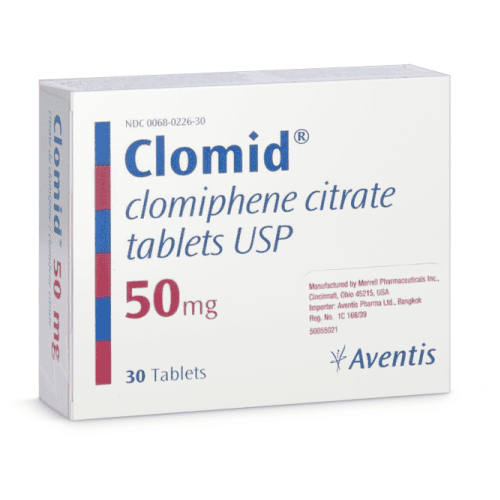
- Clear labeling with drug name, strength (e.g., “Clomiphene Citrate 50 mg”), lot number, and expiration date
- Manufacturer’s name (e.g., Sanofi, Teva, Mylan, or other FDA-approved companies)
- Package insert in English with dosing and safety info
- Consistent tablet color, shape, and imprint (usually white and round, with imprinted code—varies by manufacturer)
- Optional: Some manufacturers include QR codes, hologram stickers, or security features on the box—scan with your phone to verify authenticity.
- Prices far below U.S. pharmacy rates (e.g., $2–$3 per cycle or “bulk discounts” on unknown websites)
- Misspelled packaging, blurry print, or missing lot/expiration numbers
- Tablets that crumble easily, have no imprint, or differ in color/size from previous prescriptions
- Pharmacies that do not require a prescription or offer Clomid “without a doctor visit”
Tip: When in doubt, ask your pharmacist to confirm. You can also verify the pharmacy’s license on your state Board of Pharmacy website.
Clomid: Original vs Generic Products—What You Should Know
- Brand-name Clomid is usually more expensive, but offers no proven therapeutic advantage over FDA-approved generics.
- Inactive ingredients (excipients) may differ between brands—rarely, this can cause mild allergic reactions (rash, itching) in sensitive individuals.
- Ask your doctor or pharmacist for a generic substitution.
- Always buy from pharmacies licensed in the United States—never from overseas or unverified online sources.
- If you have experienced allergies to fillers, discuss tablet ingredients with your provider.
Bottom line: In almost all cases, generic clomiphene is equally safe and effective as brand-name Clomid.
What If Clomid Does Not Work or Causes Problems?
- Clomid did not induce ovulation: Your doctor may increase the dose (up to 150 mg daily) or try a different induction agent (e.g., letrozole).
- No pregnancy after 3–6 cycles: Additional infertility workup is needed. Male factors, tubal issues, or other hormonal imbalances may require different therapy.
- Side effects are intolerable: Discontinue the medication and contact your doctor. Alternatives with fewer side effects may be appropriate.
- Ovarian cysts or hyperstimulation: Stop Clomid immediately and seek specialist advice. Hospitalization may be needed for severe OHSS.
Remember: Clomid treats symptoms (anovulation), not the root cause of all infertility. Sometimes, surgery, assisted reproductive technologies, or addressing lifestyle factors is necessary for success.
Overdose: What to Do If You Take Too Much Clomid
- Stop using Clomid immediately.
- Call Poison Control (1-800-222-1222) or seek emergency medical attention.
- Inform healthcare professionals about the amount and timing of Clomid taken.
- Bring the Clomid packaging with you.
- Do not attempt to induce vomiting unless instructed by medical personnel.
Symptoms of overdose may include: Nausea, vomiting, visual disturbances, abdominal pain, ovarian enlargement, and in rare cases, seizures.
No specific antidote exists. Treatment is supportive and based on symptoms. Early medical intervention is critical to reduce risks.
Real-World Experiences and Support With Clomid Therapy
Many women across the United States have successfully used Clomid to overcome ovulatory infertility. While the emotional rollercoaster is real, it’s important to know you’re not alone. “I tried for five years and finally got pregnant after my second cycle of Clomid,” shares Amanda from Austin, TX. Others report mood swings, frustration, and disappointment after failed cycles—but with support from partners, medical teams, and online support groups, most patients report feeling empowered by having a clear plan.
Empathy: Infertility can feel isolating, but it’s a common journey. Emotional support, counseling, and open communication with your partner and physician are as important as the medication itself.
“Knowing what to expect made all the difference. My doctor explained every step and encouraged me to ask questions. That reassurance—that I was not alone—made Clomid treatment less overwhelming.”
FAQ: Clomid in the United States
- Do I need a prescription for Clomid in the US?
- Yes, Clomid is a prescription-only medication in the US—dispensed only with a valid prescription from a licensed healthcare provider.
- How quickly does Clomid work?
- Ovulation typically occurs 5–10 days after the last dose in women who respond. It may take up to 3–6 cycles to see results.
- Is Clomid safe for long-term use?
- No, Clomid is generally not used for more than 6 cycles; prolonged use can increase risks (e.g., ovarian cysts, ovarian cancer).
- Can I take Clomid if I have PCOS?
- Yes, Clomid is commonly prescribed for PCOS-related infertility, but close monitoring is needed due to increased risk of ovarian hyperstimulation.
- Are there risks of multiple pregnancies?
- Yes. About 6–10% of women on Clomid have twins (much higher than natural rates); higher-order multiples are rare but possible.
- Is generic clomiphene as effective as brand-name Clomid?
- Yes. FDA-approved generic clomiphene is equally safe and effective as brand-name Clomid.
- Can men use Clomid?
- Yes, but only under specialist supervision—Clomid may help select cases of male infertility, but protocols differ.
- Can I get Clomid delivered to my home?
- Yes, through a licensed U.S. pharmacy with a valid prescription. Beware of illegal online sellers offering “no prescription” deals.
References
- Practice Committee of the American Society for Reproductive Medicine. “Use of clomiphene citrate in the treatment of ovulatory dysfunction.” Fertility and Sterility, 2023. Link
- U.S. Food and Drug Administration. “Clomiphene Citrate Prescribing Information.” Last updated 2024. Link
- Legro, RS et al. “Letrozole versus Clomiphene for Infertility in the Polycystic Ovary Syndrome.” New England Journal of Medicine, 2023. Link
- National Institute for Health and Care Excellence (NICE). “Fertility Problems: Assessment and Treatment.” 2024. Link
- American College of Obstetricians and Gynecologists (ACOG). “Management of Infertility.” 2025. Link